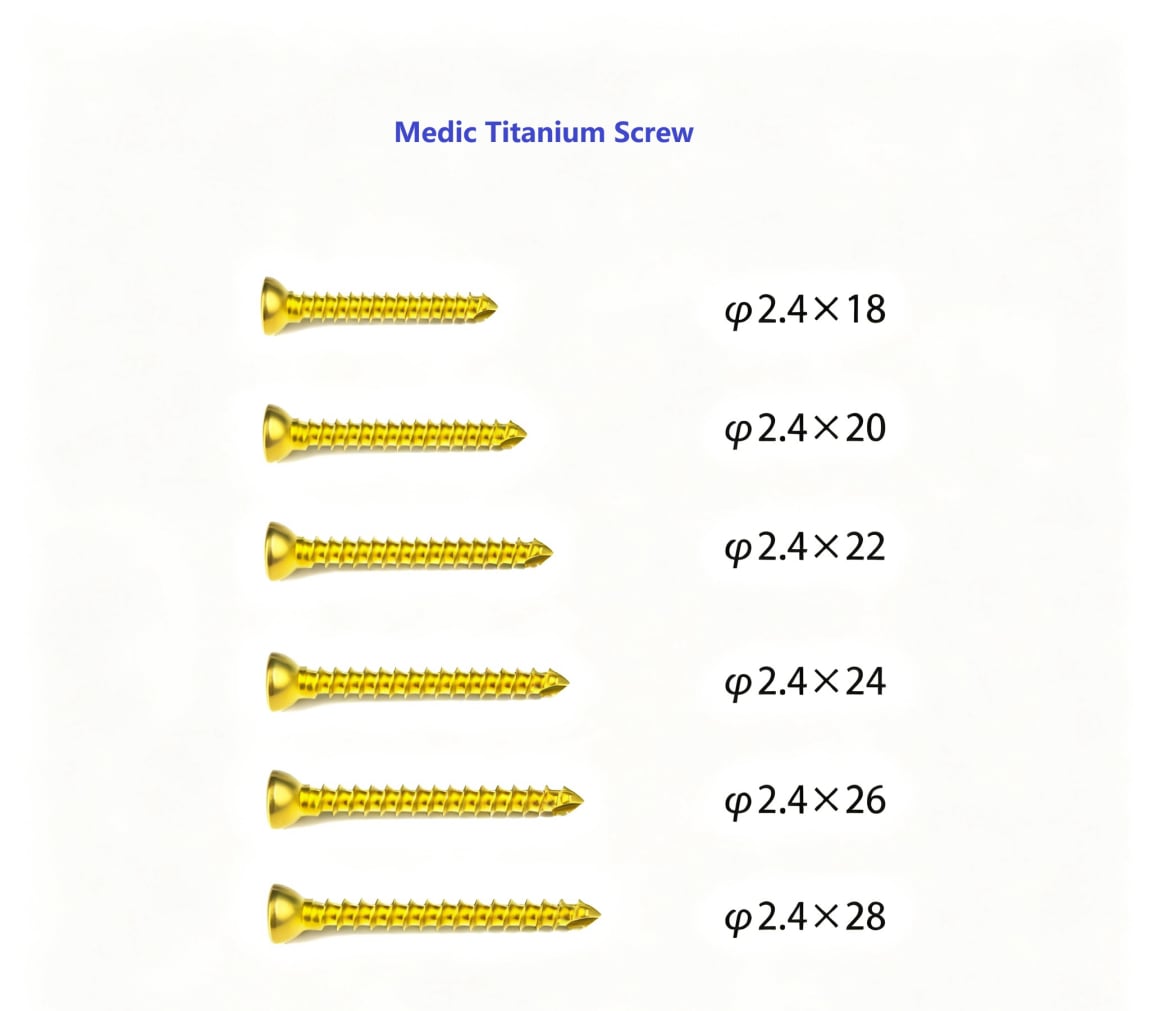
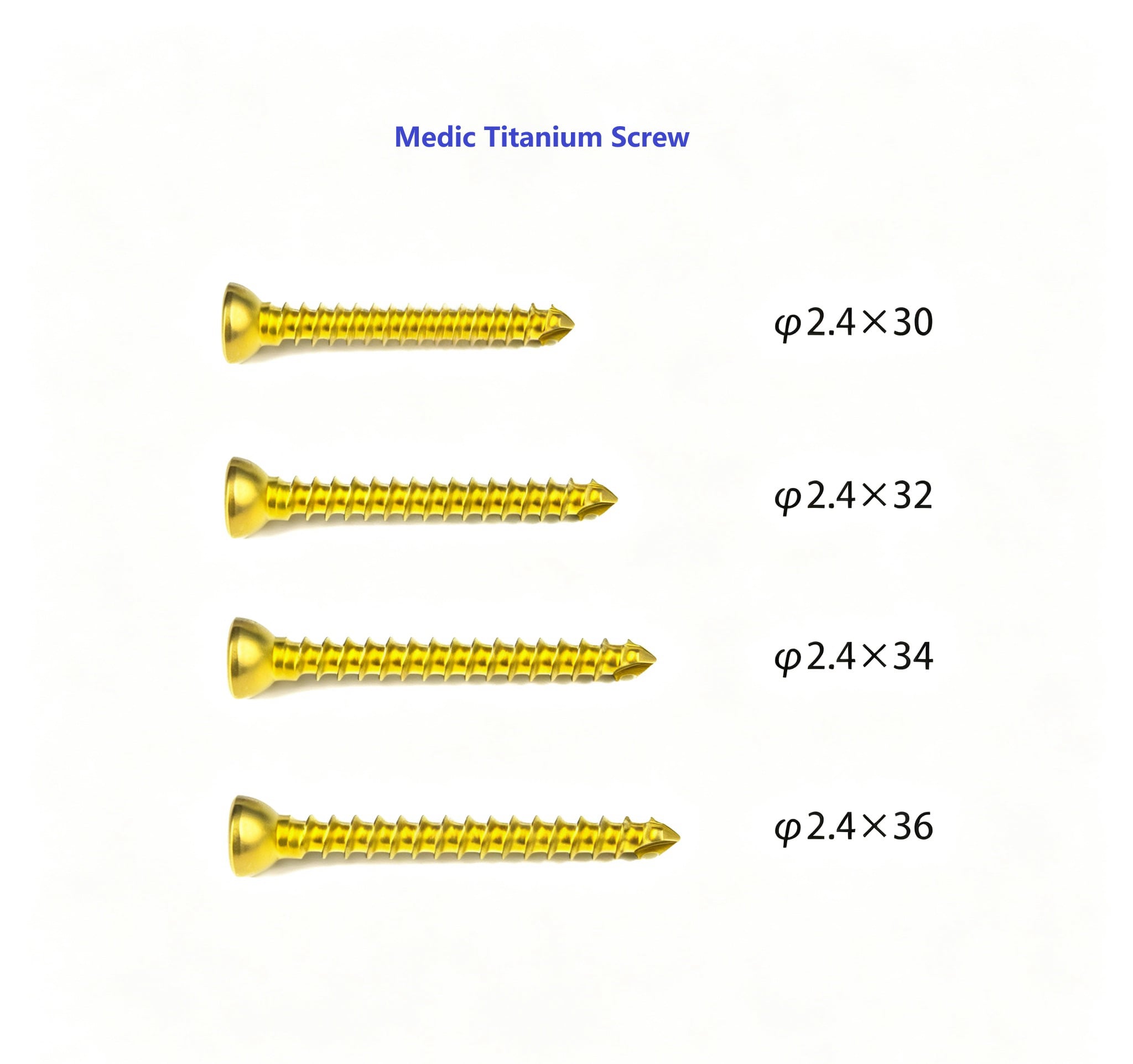
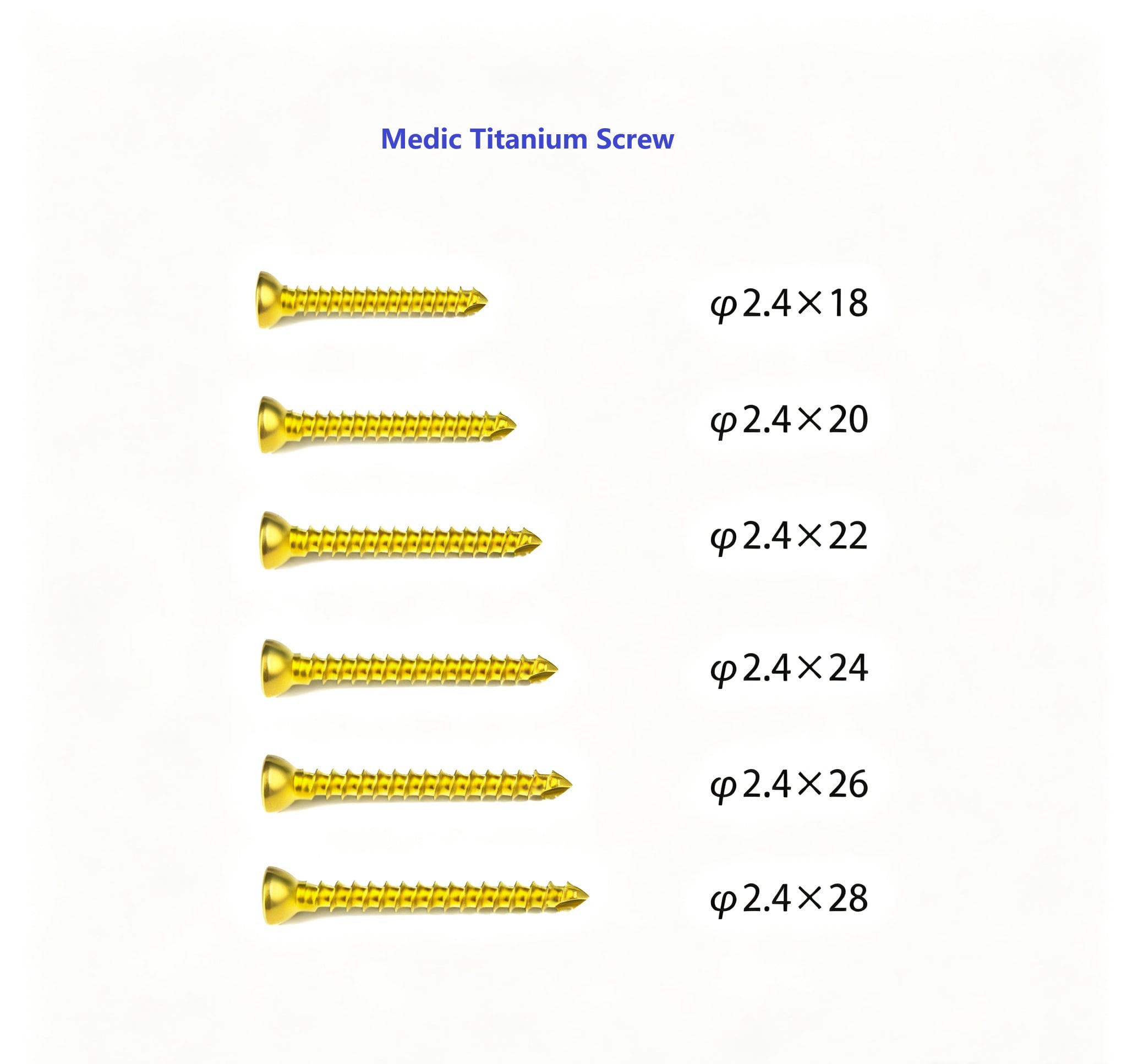
Titanium Part Gallery
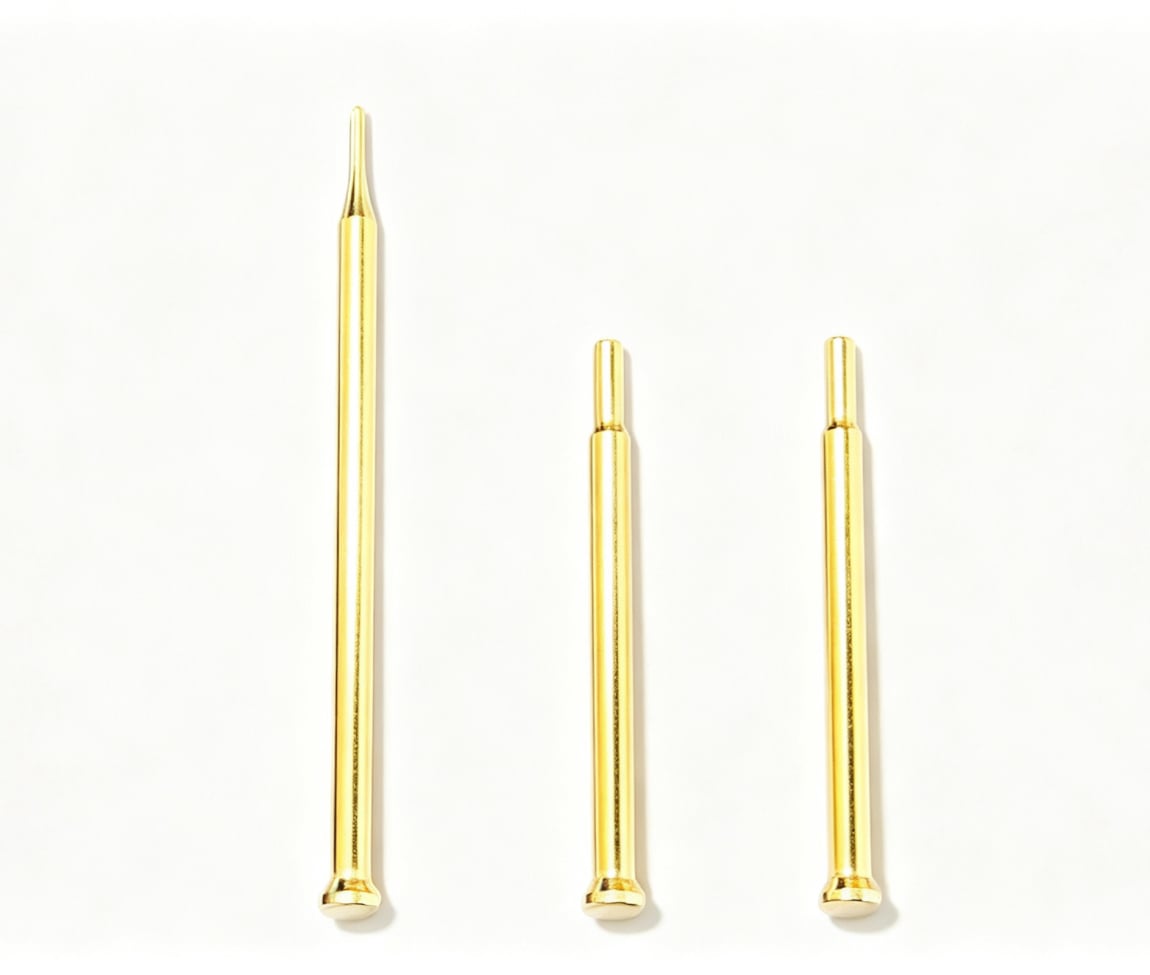
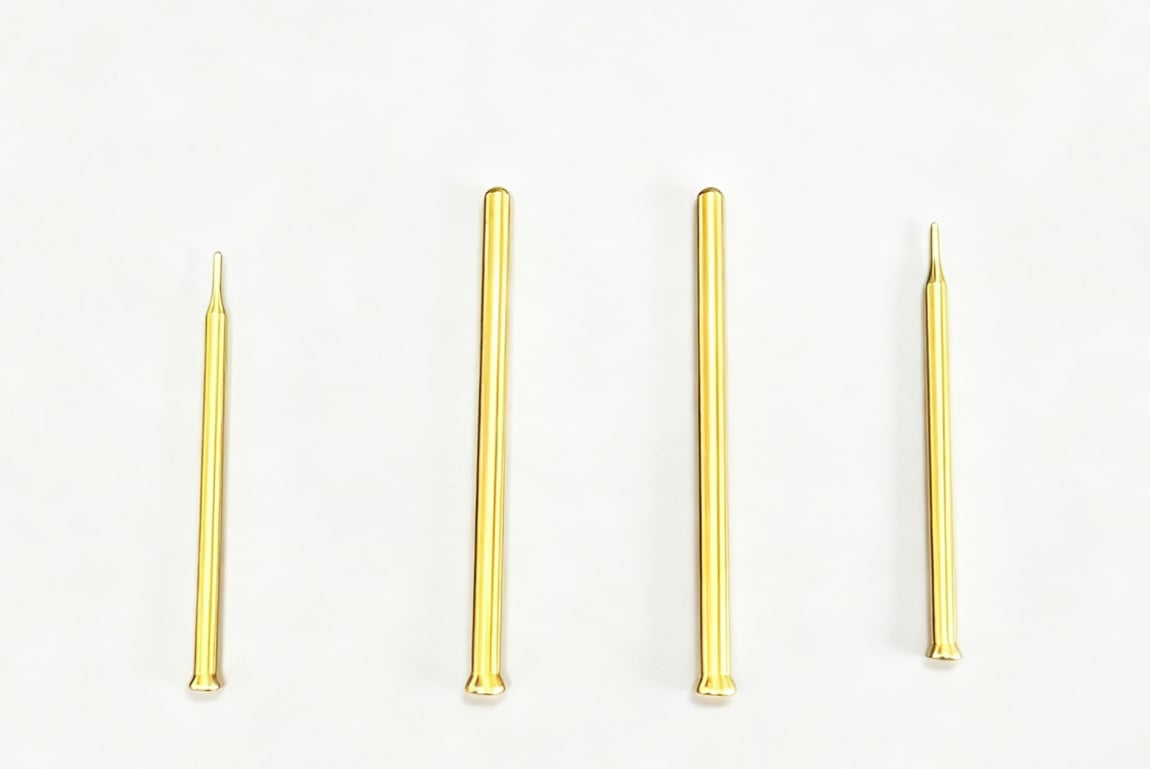
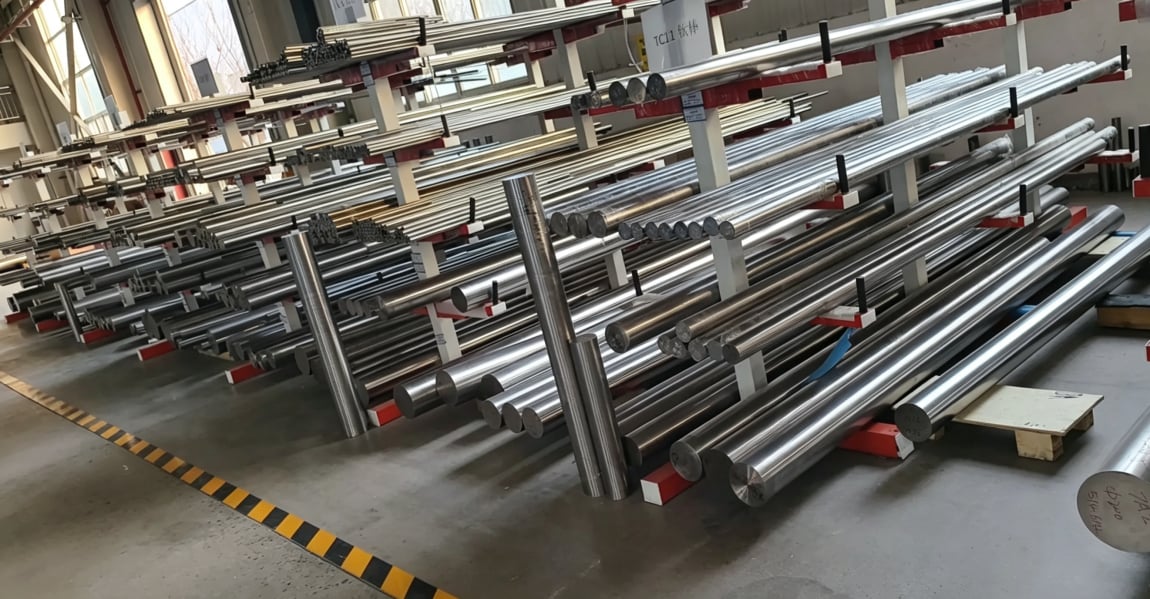
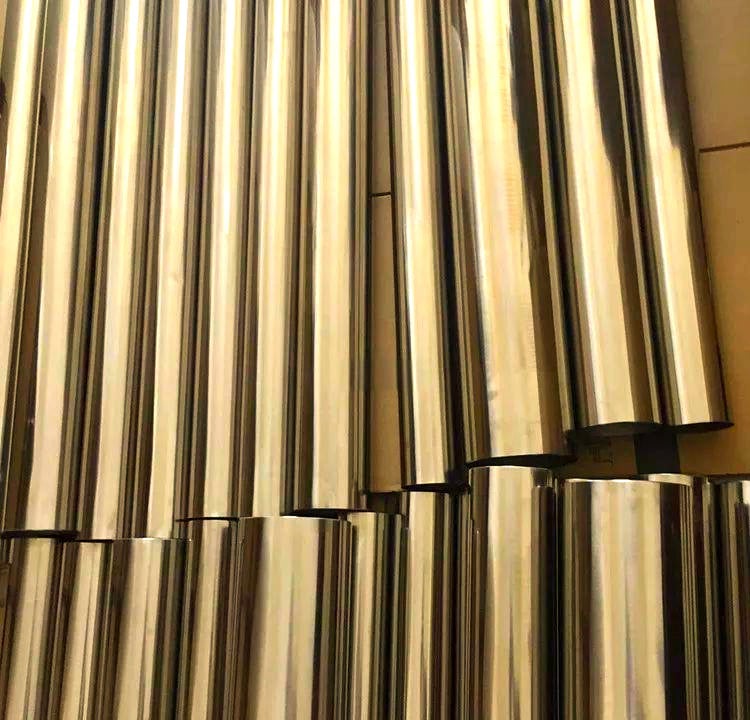
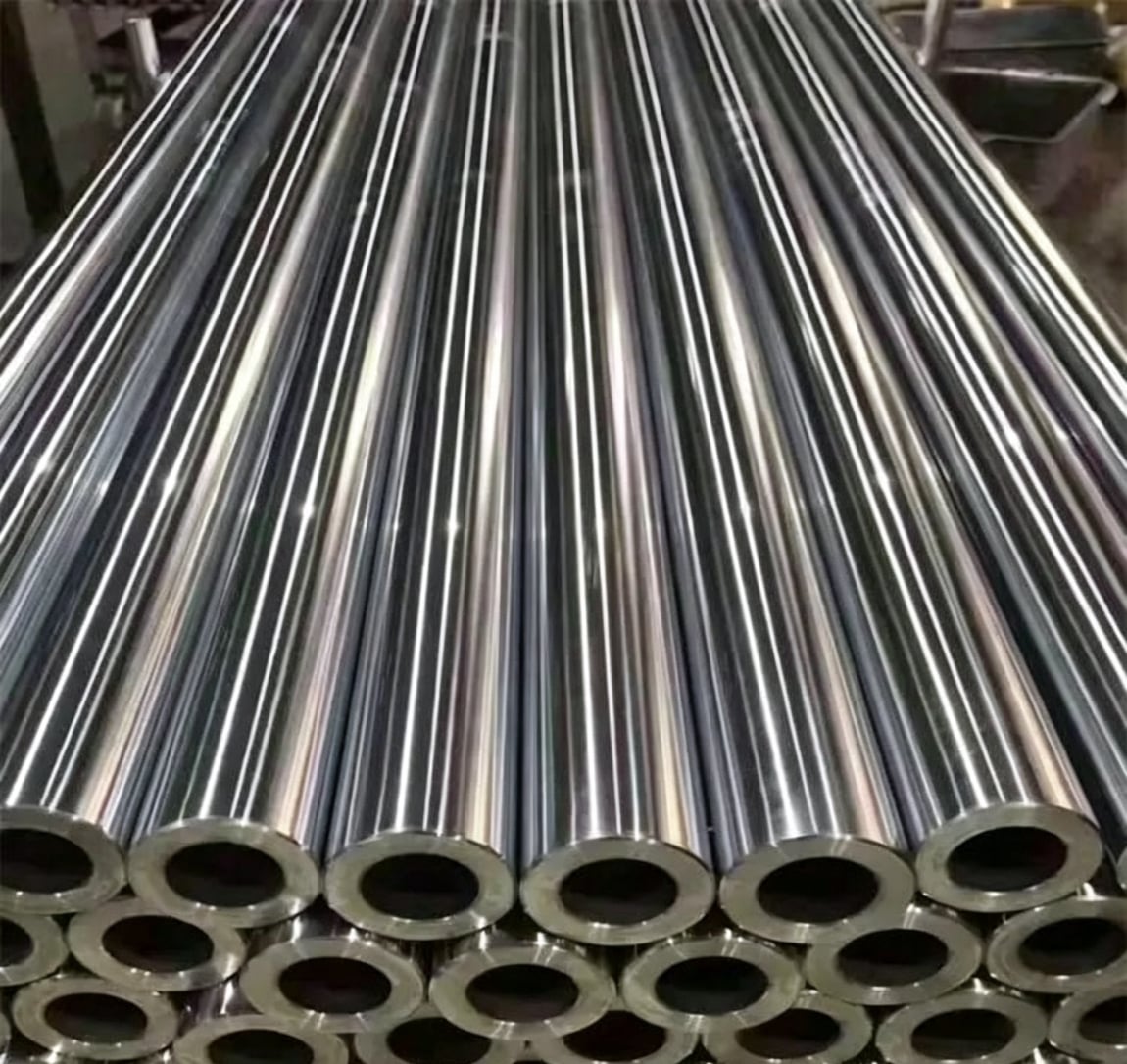
Below is a selection of the customized components we produce across various industries. We offer materials in both solid round bar and hollow tube forms.
Titanium: Gr1, Gr2, Gr5, Gr7.
Small batch is also welcome!
Titanium Grades Comparison & Selection Guide
The primary differences between Titanium Grades 1, 2, 5, and 7 lie in their material composition (commercially pure vs. alloyed), mechanical strength, and level of corrosion resistance.
| Titanium Grade | Category | Composition | Tensile Strength | Key Characteristics | Common Applications |
|---|---|---|---|---|---|
| Grade 1 (Gr1) | Unalloyed (CP) | Pure Titanium (Lowest O2) | ≈ 240 MPa | Highest ductility and formability; excellent corrosion resistance; lowest strength. | Chemical processing, deep drawing parts, architectural cladding. |
| Grade 2 (Gr2) | Unalloyed (CP) | Pure Titanium (Moderate O2) | ≈ 345 MPa | Best balance of strength, ductility, weldability, and corrosion resistance ("Workhorse"). | Industrial piping, heat exchangers, marine hardware, power generation. |
| Grade 5 (Gr5) | α-β Alloy | Ti-6Al-4V | ≈ 895 MPa | Exceptional strength-to-weight ratio; heat treatable; moderate formability. | Aerospace structures, medical implants, automotive performance parts. |
| Grade 7 (Gr7) | Unalloyed + Alloy | Ti-0.15Pd (Pure Ti + Palladium) | ≈ 345 MPa | Identical mechanical properties to Gr2, but superior resistance to reducing acids and crevice corrosion. | Chemical equipment handling hydrochloric or sulfuric acids, desalinization plants. |
Selection Guide
- Choose Grade 1 when maximum formability and cold working are required (e.g., intricate stamped parts or severe deep drawing) and mechanical stress is minimal.
- Choose Grade 2 as the standard, cost-effective default for general industrial applications requiring high corrosion resistance and moderate strength.
- Choose Grade 3 (Note: as framed in Grade 5 above) — Choose Grade 5 when structural strength, weight reduction, high thermal tolerance, or high mechanical load capacity is critical.
- Choose Grade 7 for extreme chemical environments, specifically aggressive acidic solutions or severe crevice corrosion conditions where Grade 2 fails.